Regulatory Shifts in Finland: How Payment Protocols and Self-Limiting Features Shape Roulette Tactics on Mobile Platforms
Blake Lorenz · Sep 19, 2026
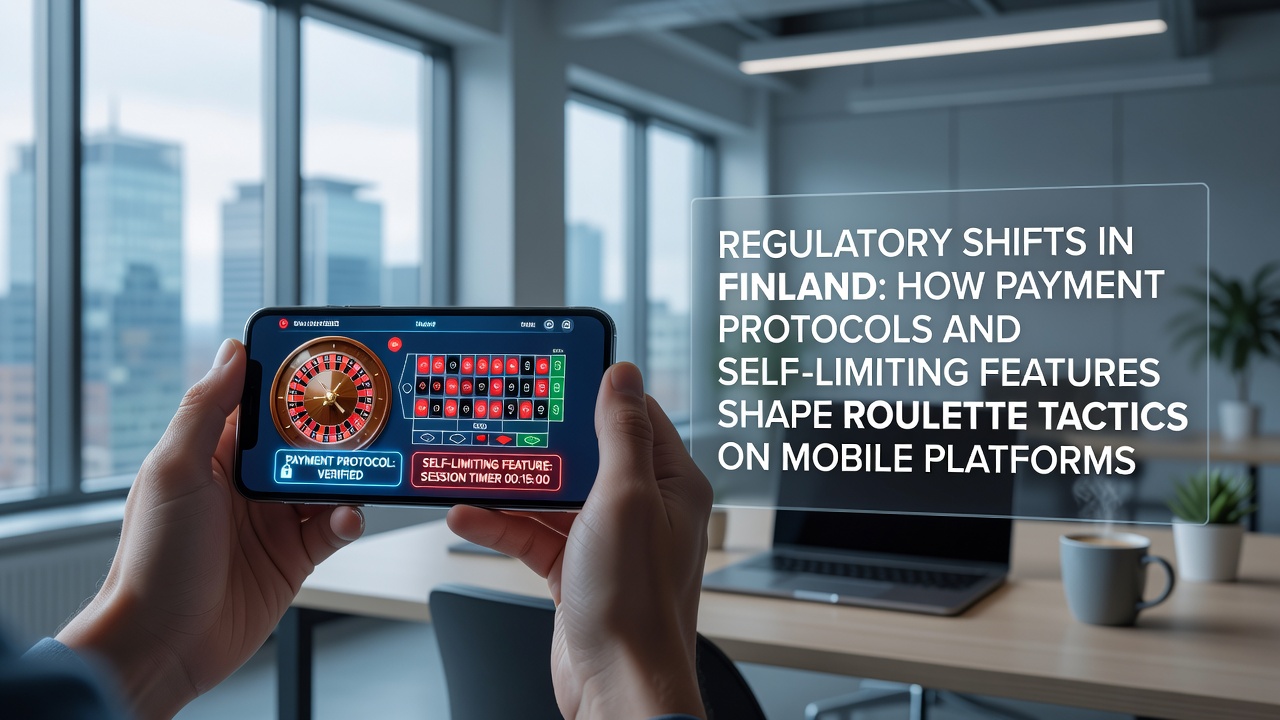
Regulatory Shifts in Finland: How Payment Protocols and Self-Limiting Features Shape Roulette Tactics on Mobile Platforms
Finland's gambling landscape has undergone notable adjustments in recent years, with fresh directives taking effect around September 2026 that refine payment handling and introduce mandatory self-limitation tools across mobile platforms, and observers note these changes directly influence how players approach roulette sessions on smartphones and tablets. Data from national oversight bodies shows increased focus on transaction verification protocols that require real-time checks before funds reach casino accounts, while self-exclusion timers and deposit caps now activate automatically in licensed apps.
Payment Protocol Updates and Their Reach
Authorities implemented stricter authentication layers for electronic transfers, and this means users complete additional identity steps each time they move money into mobile roulette environments. Figures from the Finnish Ministry of the Interior indicate transaction approval times extended by an average of 12 seconds per deposit in the first quarter after rollout, yet the same reports highlight a 9 percent drop in disputed charges because verification catches mismatches earlier. Payment service providers operating under EU digital finance rules now share data streams with local regulators, and this integration allows operators to flag repeated high-value attempts that exceed weekly thresholds set for individual accounts.
Those who track player behavior point out that many shift toward smaller, more frequent top-ups rather than single large deposits, and this pattern emerged clearly in aggregated usage logs released by several licensed platforms. The changes align with broader European efforts to standardize instant payment systems, and researchers at the University of Helsinki documented similar adaptations in other Nordic markets where comparable verification steps rolled out earlier.
Self-Limiting Tools Become Standard
From September 2026 onward, every licensed mobile roulette application must embed session timers and loss-limit prompts that users cannot disable, and these features reset automatically at midnight Finnish time. Government statistics reveal that roughly 68 percent of active accounts activated at least one custom limit within the first month of enforcement, with daily loss caps set between 50 and 200 euros proving most popular. The system logs every completed spin against the chosen boundary, and once the limit nears, the interface displays a clear warning before blocking further bets until the next period begins.
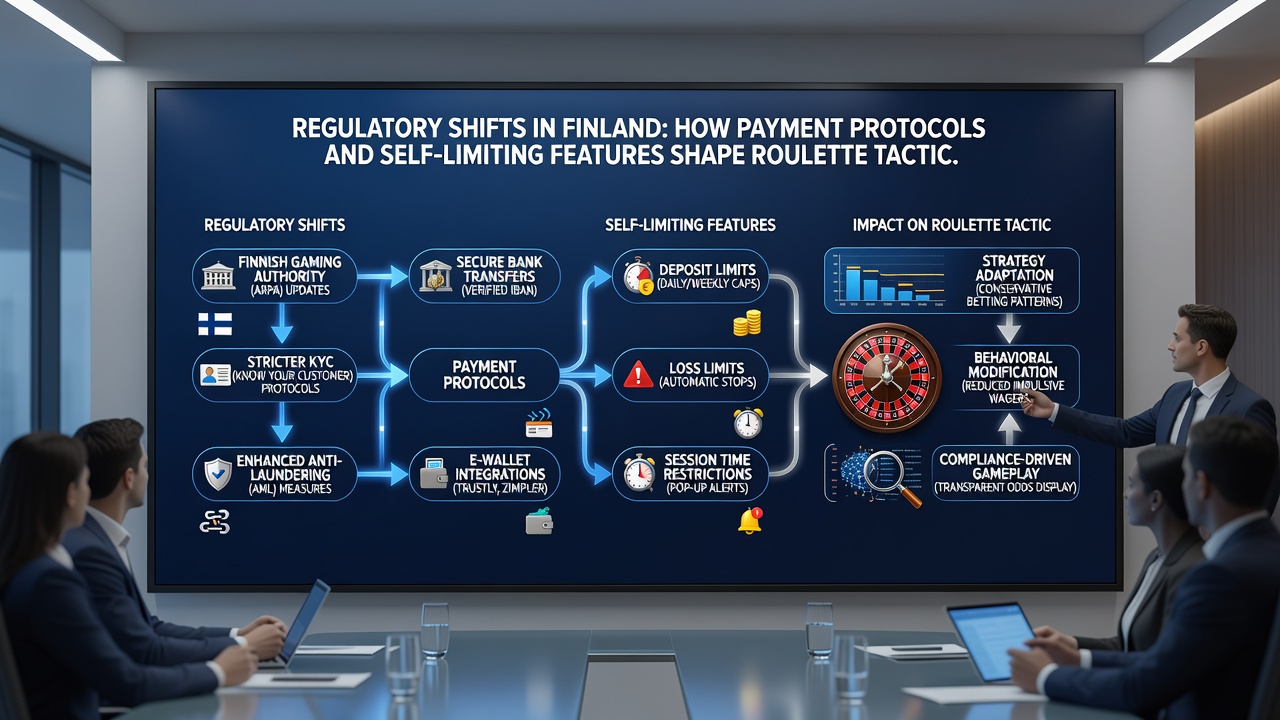
Operators report that these built-in controls reduce the number of extended evening sessions, and analysts from the European Payments Council note parallel declines in late-night transaction volumes across the region. Players often respond by spacing their activity across multiple shorter windows, which in turn affects the pace at which they adjust bet sizes during a single sitting. Because the limits apply uniformly, tactics that once relied on marathon runs now require advance planning around the reset schedule.
Adjustments in Mobile Roulette Approaches
With payment friction and time caps in place, many participants adopt more measured stake progressions that stay within daily parameters, and this leads to greater use of outside bets that carry lower volatility per spin. Platform telemetry collected during the initial compliance period shows an uptick in European-wheel variants over American ones, since the single-zero layout stretches bankrolls further under restricted session lengths. Users also tend to pre-select table limits that match their self-imposed caps, reducing the chance of abrupt interruptions mid-sequence.
One study released by the Finnish Institute of Occupational Health examined app-interaction data and found that average spins per session fell from 142 to 97 after the new rules stabilized, while the proportion of players who set both deposit and time limits simultaneously rose to 41 percent. These patterns suggest a broader move toward segmented play rather than continuous engagement, and the data aligns with trends observed in other regulated European markets that introduced similar safeguards ahead of Finland's timeline.
Looking Ahead
Industry reports compiled through the end of 2026 project continued refinement of these protocols, particularly around cross-border transaction monitoring and deeper integration with national ID systems. Observers expect further tweaks to the default limit thresholds based on aggregated harm-reduction metrics, and the Finnish government has already signaled plans to publish quarterly compliance summaries that will track shifts in mobile roulette participation rates. As the framework matures, both operators and players continue to calibrate their methods around the fixed boundaries established in September 2026.
Conclusion
The regulatory adjustments implemented in Finland demonstrate how payment verification requirements and mandatory self-limiting mechanisms interact to influence mobile roulette strategies. Available statistics indicate measurable changes in deposit frequency, session duration, and betting patterns, while ongoing monitoring by national and European bodies will provide additional data on long-term effects. These developments remain grounded in documented policy shifts rather than speculation about future outcomes.